

We have handled countless relocations across Chicago, and walk-up apartments consistently present a different level of complexity.
Many people expect a move to follow a predictable process until they encounter multiple flights of stairs, tight stairwells, and limited street access.
These factors change how we approach planning, timing, and execution. As part of a professional residential moving strategy, understanding these details in advance allows us to reduce delays and protect both property and belongings.
Why Stairs Change the Entire Moving Process
Planning for tight spaces and limited clearance
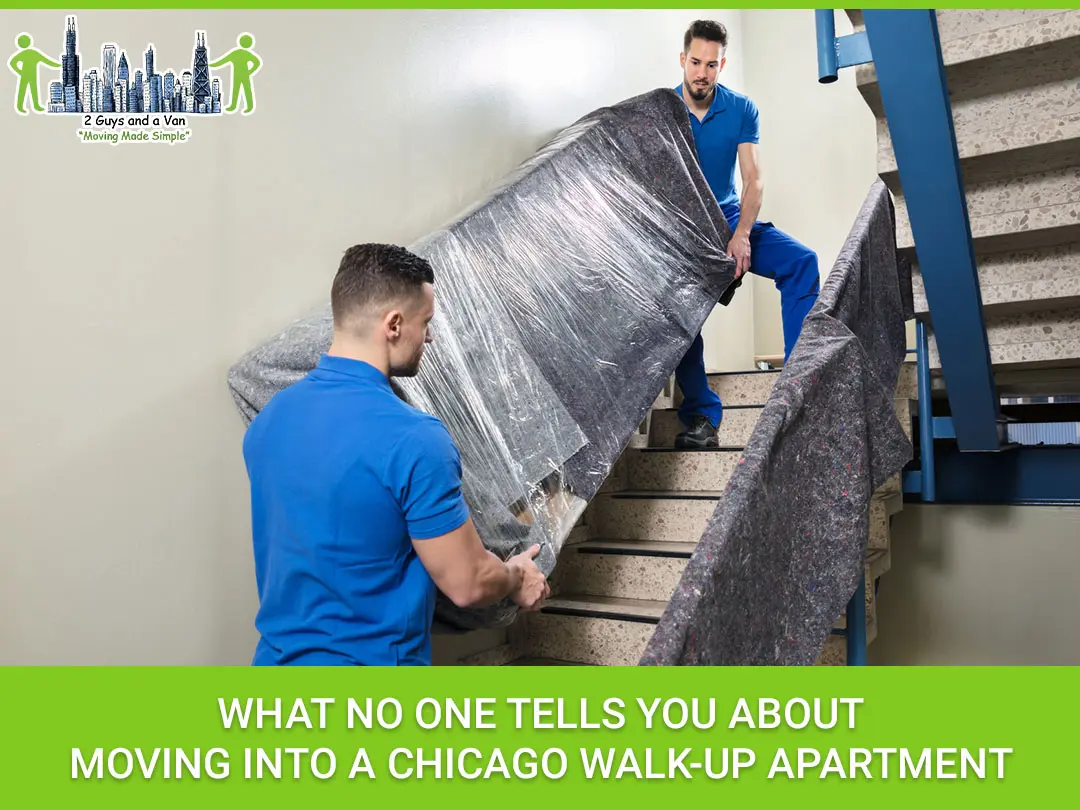
We always begin by explaining how stairs impact every part of a move. Carrying furniture up several flights requires more than strength. It requires coordination, pacing, and careful positioning. In many Chicago walk-up buildings, staircases were not designed to accommodate modern furniture dimensions.
We often find that items such as sofas, mattresses, and dressers need to be maneuvered at specific angles to fit through narrow turns. Measuring entryways, stairwells, and furniture ahead of time helps us avoid complications on moving day. This level of preparation is essential when handling residential moving projects in dense urban environments.
Parking Challenges and City Regulations
Understanding street access in Chicago
Parking is one of the most underestimated aspects of a move. In Chicago, IL, limited street parking can significantly impact efficiency. When a moving truck cannot park close to the building, the distance between the truck and the entrance increases the time and effort required.
We recommend planning for parking in advance, including securing any required permits. Certain neighborhoods enforce strict regulations, and failing to prepare can result in delays or additional costs. Our experience allows us to guide clients through these requirements so the move stays on schedule.
Time and Labor Expectations for Walk-Up Moves
Why do these moves require more time?
Walk-up moves typically take longer than standard relocations. Each additional flight of stairs adds to the workload, and repeated trips increase the overall duration of the move. We approach these situations with a focus on both efficiency and safety.
Because of the added physical demands, labor costs may be higher than for moves with elevator access. We often emphasize that this process prioritizes the safety of both the moving crew and the items being transported, not just time. Investing in experienced residential moving professionals helps ensure that the process is handled correctly from start to finish.
Protecting Your Belongings and the Building
Preventing damage in confined spaces
Walk-up apartments present a higher risk of damage due to limited space. If you don’t take proper precautions, moving can easily damage walls, railings, and floors. We prioritize protection by wrapping furniture and using materials that shield both the items and the property.
We also understand that many buildings hold tenants responsible for damage. Taking preventive measures helps avoid unexpected costs and ensures that everything arrives in the same condition it left. This is a critical part of any well-planned residential moving project.
Preparing for a More Efficient Move
What we recommend before moving day
Preparation plays a significant role in the success of a walk-up move. We encourage clients to reduce the number of unnecessary items before moving, as fewer belongings make the process more manageable. Organized packing and clear labeling also help streamline unloading once we arrive at the new location.
Communication is another key factor. When we know the number of flights, access points, and any building restrictions in advance, we can plan accordingly. This enables us to allocate the appropriate resources and prevent avoidable delays.
Frequently Asked Questions
How do professional movers handle large furniture in walk-up apartments?
We evaluate the size of each item and the layout of the stairwell before moving. In some cases, furniture may need to be disassembled or carefully angled to fit through tight spaces without causing damage.
Are walk-up moves pricier than standard moves?
Yes, walk-up moves often involve more labor and time due to stairs and longer carrying distances. These factors contribute to a higher overall effort than moves with elevator access.
How can we prepare for a walk-up move in Chicago?
We recommend measuring furniture, planning for parking, and sharing all building details in advance. This helps create a smoother and more efficient moving process.
Is hiring professional movers necessary for walk-up apartments?
Hiring experienced movers is strongly recommended. Trained professionals who understand how to navigate walk-up moves safely can best handle the physical and logistical challenges involved.
Reliable Residential Moving Services for Chicago Moves
We provide residential moving in Chicago, designed to handle the challenges of urban environments. Our approach focuses on preparation, efficiency, and protection at every stage of the move. We ensure we address every detail with care and expertise, from navigating tight staircases to managing parking logistics.
Plan Your Move With Confidence
We understand that moving into a walk-up apartment requires more than basic planning. With the right strategy and experienced support, we can turn a complex move into a manageable process. If you are preparing for a residential moving project, we are ready to help you move forward with confidence. Contact our team to secure your move with trusted professionals.
Picture Credit: Depositphotos